Non Microvascular flaps

Non-Microvascular Flaps: An Overview of Techniques, Applications, and Benefits

In reconstructive surgery, flaps are essential tools used to repair defects, cover wounds, and restore form and function. Flaps involve the transfer of tissue from one part of the body to another, maintaining their own blood supply. While microvascular free flaps, which require microsurgical anastomosis of blood vessels, have become increasingly popular, non-microvascular flaps remain a vital and widely used option in many clinical scenarios. This article explores the concept of non-microvascular flaps, their types, indications, surgical techniques, and advantages.

What Are Non-Microvascular Flaps?

Non-microvascular flaps, also known as pedicled or regional flaps, are tissue transfers that retain their original blood supply through a vascular pedicle during the transfer. Unlike free flaps, which are completely detached and reconnected using microsurgery, non-microvascular flaps remain attached to their donor site by a stalk of tissue containing the blood vessels.

These flaps can include skin, subcutaneous tissue, muscle, fascia, or combinations thereof. Because they do not require microsurgical vessel anastomosis, non-microvascular flaps are often simpler and faster to perform, making them suitable for a wide range of reconstructive needs.

Types of Non-Microvascular Flaps

Non-microvascular flaps can be classified based on their composition, blood supply, and movement:

1. Random Pattern Flaps

Random pattern flaps rely on the subdermal plexus for blood supply without a defined named artery. They are usually small and limited in length-to-width ratio (typically 1.5:1 to 2:1) to ensure adequate perfusion. Examples include:

  • Advancement flaps
  • Rotation flaps
  • Transposition flaps

2. Axial Pattern Flaps

Axial pattern flaps are based on a known, named artery and vein, providing a more reliable blood supply. These flaps can be larger and longer than random flaps. Examples include:

  • Groin flap (based on the superficial circumflex iliac artery)
  • Radial forearm flap (pedicled version)
  • Latissimus dorsi flap (pedicled)

3. Muscle and Musculocutaneous Flaps

These flaps include muscle tissue with or without overlying skin. They are often used to fill dead space, provide bulk, and improve vascularity to poorly healing wounds. Examples:

  • Pedicled latissimus dorsi muscle flap
  • Pedicled gracilis muscle flap

4. Fasciocutaneous Flaps

These flaps include skin and underlying fascia, offering thin, pliable coverage with good blood supply. Examples:

  • Radial forearm flap (pedicled)
  • Sural flap

Indications for Non-Microvascular Flaps

Non-microvascular flaps are indicated in a variety of clinical situations, including:

  • Trauma: Coverage of soft tissue defects after injury, especially when microsurgical expertise or facilities are unavailable.
  • Infection and Chronic Wounds: Providing well-vascularized tissue to promote healing in infected or non-healing wounds.
  • Oncologic Reconstruction: Reconstruction after tumor excision where local or regional tissue transfer is feasible.
  • Pressure Sores: Coverage of sacral, ischial, or trochanteric pressure ulcers.
  • Burns: Reconstruction of burn defects when free flaps are contraindicated or impractical.
  • Congenital Defects: Repair of congenital soft tissue deficiencies.

Surgical Techniques

The success of non-microvascular flaps depends on meticulous surgical planning and technique. Key steps include:

1. Flap Design and Planning

  • Identify the defect size and location.
  • Choose an appropriate flap based on tissue requirements and donor site availability.
  • Mark the flap on the skin, considering the vascular anatomy and arc of rotation.

2. Flap Elevation

  • Incise the skin and dissect carefully to preserve the vascular pedicle.
  • Maintain adequate thickness of the flap to protect blood vessels.
  • Mobilize the flap sufficiently to allow tension-free transfer.

2. Flap Elevation

  1. Preoperative Assessment: Detailed evaluation including imaging studies, blood tests, and consultation with specialists such as vascular surgeons or oncologists.
  2. Surgical Planning: Determining the optimal level of amputation and planning for soft tissue coverage and nerve management.
  3. Amputation Surgery: The surgeon removes the affected portion of the arm, carefully managing blood vessels, muscles, and nerves to minimize pain and facilitate healing.
  4. Closure and Dressing: The surgical site is closed, often with a flap of healthy tissue to cover the bone end, and a sterile dressing is applied.
  5. Postoperative Care: Pain management, infection prevention, and monitoring for complications.

3. Flap Transfer and Inset

  • Rotate, advance, or transpose the flap into the defect.
  • Ensure the pedicle is not kinked or compressed.
  • Secure the flap with sutures, ensuring good contact with the wound bed.

4. Donor Site Closure

  • Close the donor site primarily if possible.
  • Use skin grafts if the donor site cannot be closed directly.

5. Postoperative Care

  • Monitor flap viability closely for signs of ischemia or congestion.
  • Maintain appropriate limb positioning to avoid tension on the pedicle.
  • Manage pain and prevent infection.

Advantages of Non-Microvascular Flaps

Non-microvascular flaps offer several benefits that make them valuable in reconstructive surgery:

  • Simplicity: They do not require microsurgical skills or equipment, making them accessible in resource-limited settings.
  • Reduced Operative Time: Generally faster to perform than free flaps.
  • Reliability: Axial pattern flaps have a dependable blood supply, reducing the risk of flap failure.
  • Versatility: Suitable for a wide range of defects and anatomical locations.
  • Preservation of Recipient Vessels: Since vessels are not divided, the recipient site vasculature remains intact for future procedures if needed.

Limitations and Challenges

Despite their advantages, non-microvascular flaps have some limitations:

  • Limited Reach: The flap’s movement is restricted by the length of the vascular pedicle.
  • Donor Site Morbidity: Some flaps may cause functional or cosmetic deficits at the donor site.
  • Size Constraints: Large defects may not be adequately covered by regional flaps.
  • Bulkiness: Muscle flaps can be bulky and may require secondary contouring procedures.

Common Examples of Non-Microvascular Flaps

Groin Flap

Based on the superficial circumflex iliac artery, the groin flap is a classic axial flap used for hand and forearm reconstruction. It provides thin, pliable skin and is relatively easy to harvest.

Latissimus Dorsi Flap

A large muscle flap based on the thoracodorsal artery, the pedicled latissimus dorsi flap is used for chest wall, shoulder, and upper arm reconstruction. It provides substantial bulk and vascularity.

Sural Flap

A fasciocutaneous flap based on the sural artery, used for coverage of defects around the lower leg, ankle, and foot. It is a reliable option for distal lower extremity reconstruction.

Radial Forearm Flap (Pedicled)

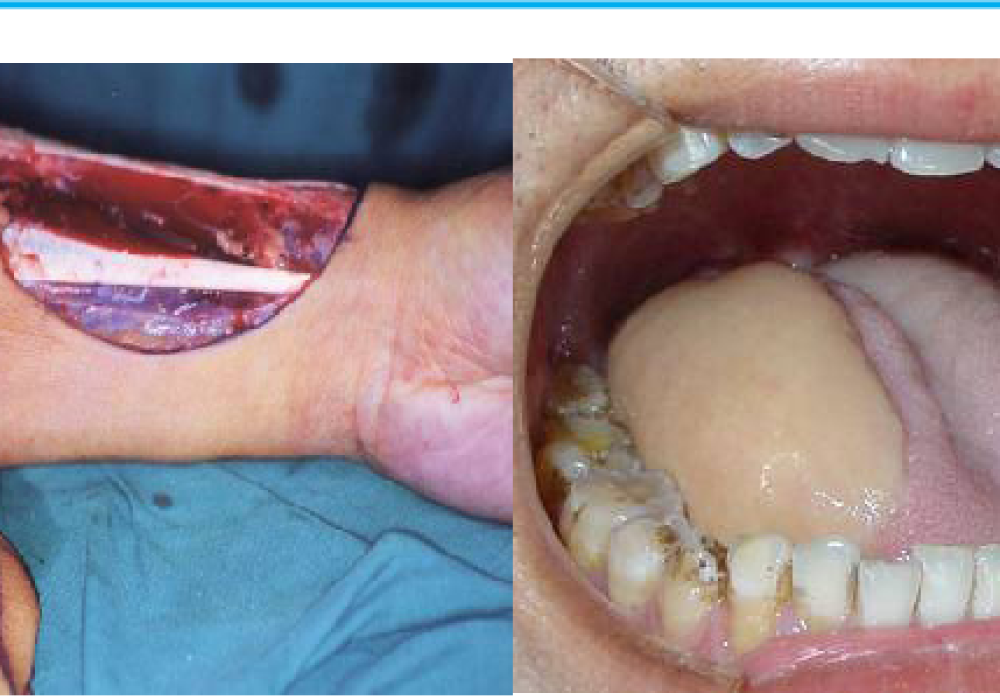
Though often used as a free flap, the radial forearm flap can be harvested as a pedicled flap for coverage of defects in the hand and wrist region.

Conclusion

Non-microvascular flaps remain a cornerstone of reconstructive surgery, offering reliable, versatile, and accessible options for tissue coverage and defect repair. Understanding the anatomy, indications, and surgical techniques of these flaps enables surgeons to select the most appropriate method for each patient. While microsurgical free flaps have expanded reconstructive possibilities, non-microvascular flaps continue to play a crucial role, especially in settings where microsurgery is not feasible or when regional tissue transfer is preferred.

With careful planning and execution, non-microvascular flaps can achieve excellent functional and aesthetic outcomes, improving patient quality of life and facilitating recovery from complex injuries and defects.

Explore more: